Long trousers and long-sleeved shirts, walking shoes or boots, sandals, cotton t-shirts, a rain jacket and a light jacket, a headlamp or flashlight with batteries, sunscreen, insect repellent with at least 28% DEET, sunglasses, a cap or wide-brimmed hat and a small daypack. Bring any extra food, snacks or drinks you want.
Small planes between La Paz and Rurrenabaque have strict luggage limits, so leave what you do not need at your hotel.
When is the best season?
The climate is tropical all year and the lodge is open every month. The dry season, from early April to late October, is the most comfortable time to walk.
How big are the groups?
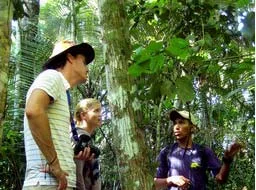
Each walking group has four or five travelers at most, with one guide. The lodge hosts no more than 18 guests at a time.
Can the activities change?
Yes. We adapt programs to your interests, as long as everyone in the group agrees on the plan for the day. Some activities, like Santa Rosa lake, have an extra cost.
Who can visit the lodge?
We host travelers of all ages, from young children to older travelers. If you or someone in your group has a disability, write to us so we can tell you honestly whether the lodge and trails suit your needs.
At the lodge
What kind of rooms are there?
Private rooms in traditional cabins built with natural materials, with either a private or a shared bathroom. Single, twin, double, triple and family rooms are available.
Is there electricity?
Yes, from 18:30 to 22:30 every day, for the shared areas, bathrooms and dining room, and for charging cameras and phones. Bring a headlamp: outside those hours, light comes from candles.
How hard are the walks?
Most walks follow marked trails, are easy and last one to four hours. Your guide adapts routes and distances to your group.
What animals can we see?
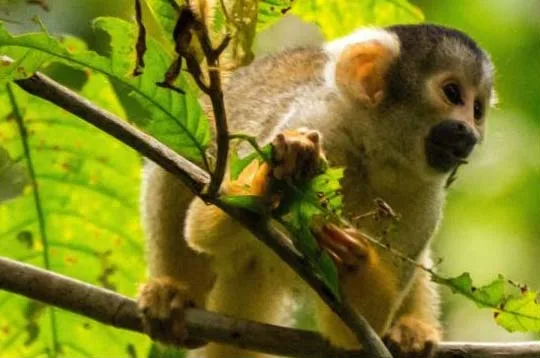
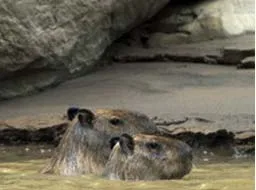
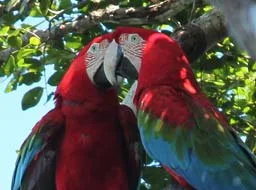
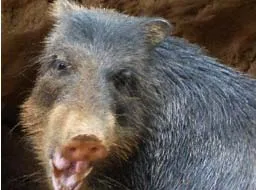
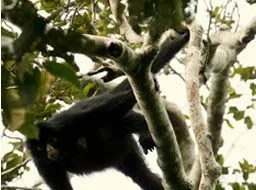
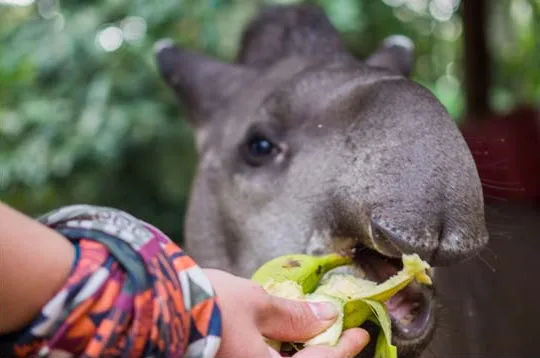
Monkeys (black spider, red howler, brown capuchin, saddleback tamarin, yellow squirrel and owl monkeys), tapirs, red deer, white-lipped peccaries, capybaras and giant anteaters, caimans, turtles and frogs, and birds such as macaws, parrots, toucans, hummingbirds, kingfishers and herons. Jaguars and pumas live in the area but are rarely seen.
Health and safety
Health in the jungle
This is general information, not medical advice. Ask your doctor or a travel clinic before your trip.
Malaria and dengue
The risk of malaria in the Rurrenabaque area is considered low, and taking tablets is a personal decision. Mosquitoes can carry other diseases such as dengue, so cover up and use a good repellent.
Yellow fever
A yellow fever vaccine is recommended for travel to the tropical lowlands of Bolivia. Check the current requirements with a travel clinic before you go.
Leishmaniasis
Leishmaniasis exists in Bolivia’s lowlands and is transmitted by sandflies. Long sleeves, trousers and repellent on exposed skin reduce the risk; every bed at the lodge has a mosquito net and the sleeping areas are closed.
Emergencies
All our guides are trained in first aid and the lodge has medical equipment for most accidents. For anything serious, the hospital in Rurrenabaque is about an hour and a half away by boat.
Tell us your dates and how many you are
We reply with availability, the program that fits your days and the total price. Departures every day from Rurrenabaque, minimum two travelers.
Madidi Jungle Ecolodge is a low-impact rainforest eco-venture created and run by indigenous people who live in the heart of Madidi National Park. We opened to visitors in 2011 on community lands of San José de Uchupiamonas.